

(Diseases)
This page provides all the information you need about shingles.
What are Shingles?
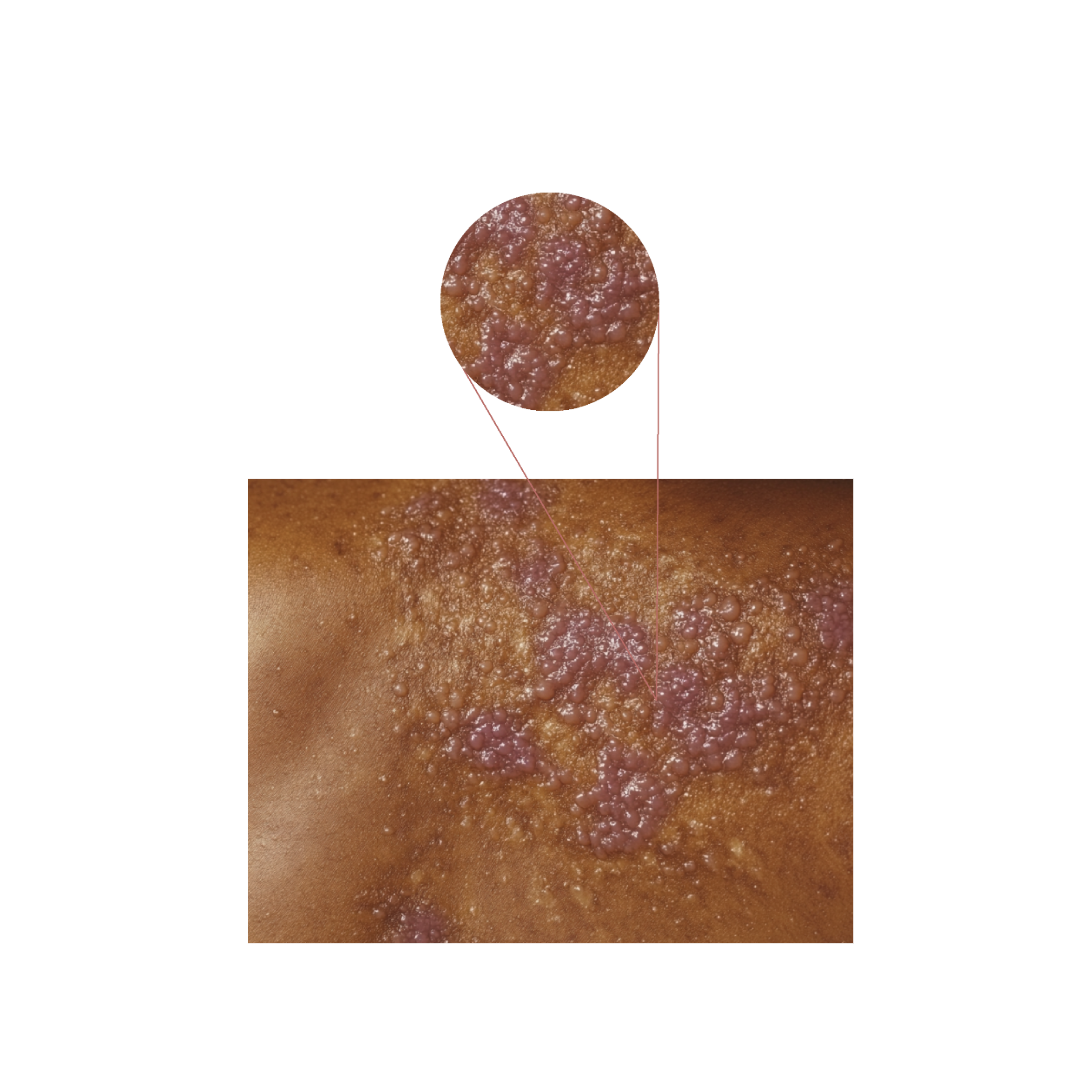
Shingles, also called herpes zoster, is a viral infection that causes a painful skin rash or blisters. It is caused by the varicella-zoster virus, the same virus that causes chickenpox. The rash often appears as a stripe of blisters or a band-like rash on one side of the body.
What are the Symptoms of Shingles?
Early symptoms of shingles may include:
Fever.
Chills.
Headache.
Fatigue.
Sensitivity to light.
Itching in a specific area of the skin.
Redness in the affected area.
Raised rash in a small area of skin.
Fluid-filled blisters that break open and crust over.
Mild to severe pain in the affected area of skin.
What are the Causes of Shingles?
Shingles is caused by the varicella-zoster virus, the same virus responsible for chickenpox. After recovery from chickenpox, the virus remains dormant in the body and can reactivate later, causing shingles.
Risk factors include:
Weakened immune system due to diseases such as HIV/AIDS or treatments like chemotherapy.
Age over 50.
How is Shingles Diagnosed?
The doctor will take a medical history and perform a physical examination. Additional tests may be ordered if necessary.
What are the Treatment Options for Shingles?
Treatment varies depending on the case and may include:
Medications:
Antiviral drugs.
Pain relievers.
How Can Shingles Be Prevented?
A shingles vaccine is recommended for people with weakened immune systems under the age of 50, as well as for all individuals aged 50 and older.
Avoid direct contact with people who have shingles, since it can spread through skin contact.
What are the Complications of Shingles?
Possible complications include:
Other types of nerve problems,such as numbness or itching.
Bacterial infections.
Eye or ear inflammation if the rash occurs near these areas.
When Should You See a Doctor?
You should see a doctor if you develop the above-mentioned symptoms.
Frequently Asked Questions:
How is the shingles vaccine given? The vaccine is recommended for all individuals aged 50 and older. It is given as two doses, spaced two to six months apart.
I have already had shingles. Should I still get the vaccine? Yes. A person can develop shingles more than once. Therefore, it is recommended to receive the vaccine even after an episode of shingles, provided the infection has fully cleared.
