

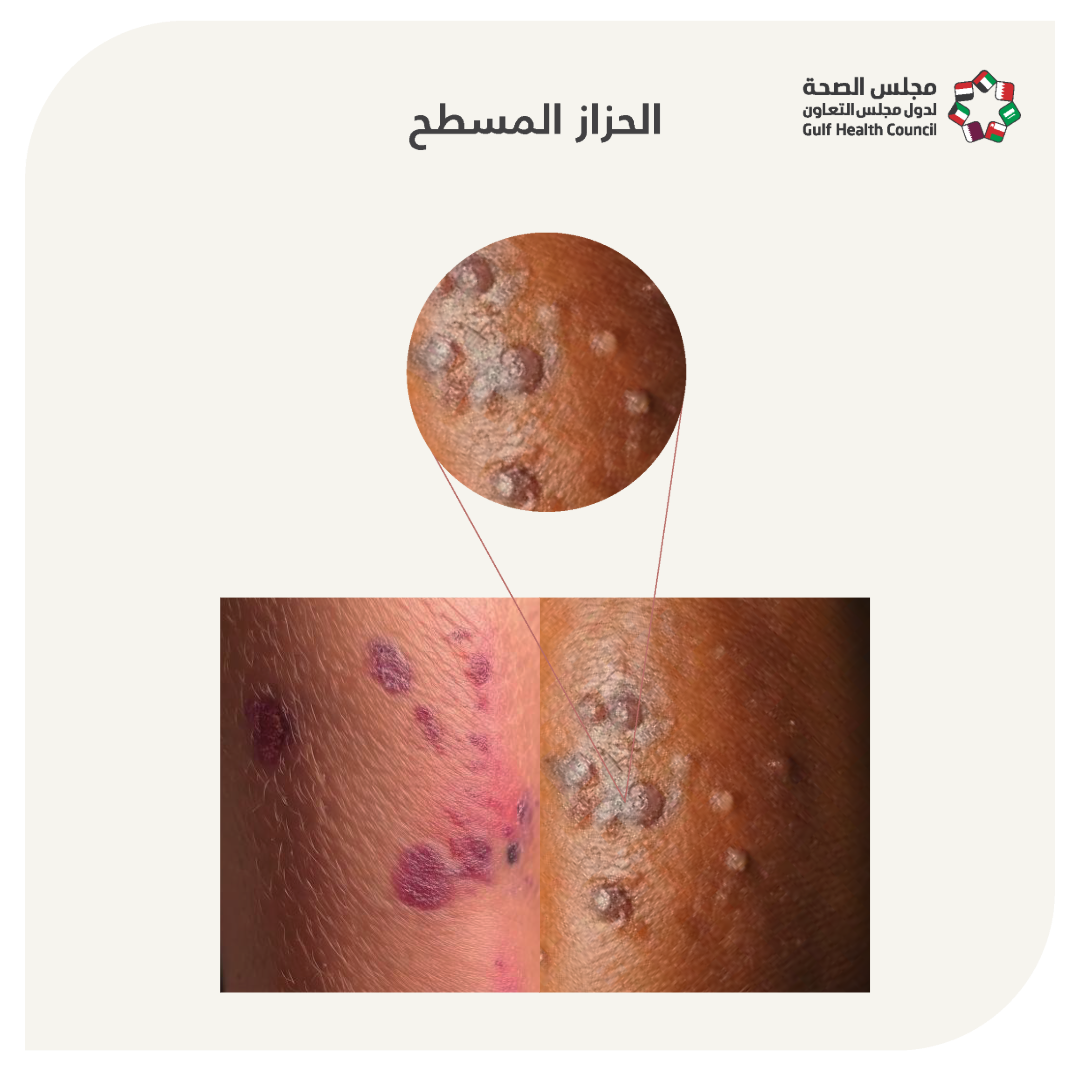
On this page, you will find everything you need to know about Lichen Planus.
What is Lichen Planus?
Lichen planus is a skin condition that causes a rash to appear on one area of the body or multiple parts at the same time. It may affect:
- The skin.
- Inside the mouth (oral mucosa).
- The scalp.
- The genital area.
What are the symptoms of Lichen Planus?
- Small raised bumps on the skin that may develop into ulcers.
- Small white spots inside the cheeks, tongue, or lips.
- Nail discoloration and growth interruption.
- Pain.
- Itching.
What causes Lichen Planus?
In most cases, the cause is unknown, but lichen planus may be triggered by:
- Hepatitis C infection.
- Certain vaccines.
- Nonsteroidal anti-inflammatory drugs.
- Specific medications used to treat arthritis, heart disease, or high blood pressure.
- Certain chemicals, metals, or dyes.
How is it diagnosed?
A physician will take a medical history and perform a physical examination. Additional diagnostic procedures may be requested if necessary, such as:
- Allergy testing.
- Skin biopsy.
How is Lichen Planus treated?
Treatment may involve several approaches, depending on the case, such as:
- Topical creams.
- Antihistamines.
- Phototherapy (ultraviolet light therapy).
- Immunosuppressive medications.
- Vitamin A derivatives.
How can Lichen Planus be prevented?
There is currently no method to prevent lichen planus.
What are the complications of Lichen Planus?
If left untreated for a long time, it may lead to:
- Skin discoloration.
- Pain while eating or drinking if it affects the mouth.
When should you see a doctor?
You should consult a physician if:
- You develop new symptoms.
- Symptoms do not improve after treatment.
- The rash persists longer than expected.
- The rash becomes inflamed (skin appears red, purple, gray, or white, with irritation and swelling).
Frequently Asked Questions:
Is lichen planus a chronic disease?
Yes. It is a chronic condition that can be treated, and symptoms may disappear, but the disease may recur in the future.