

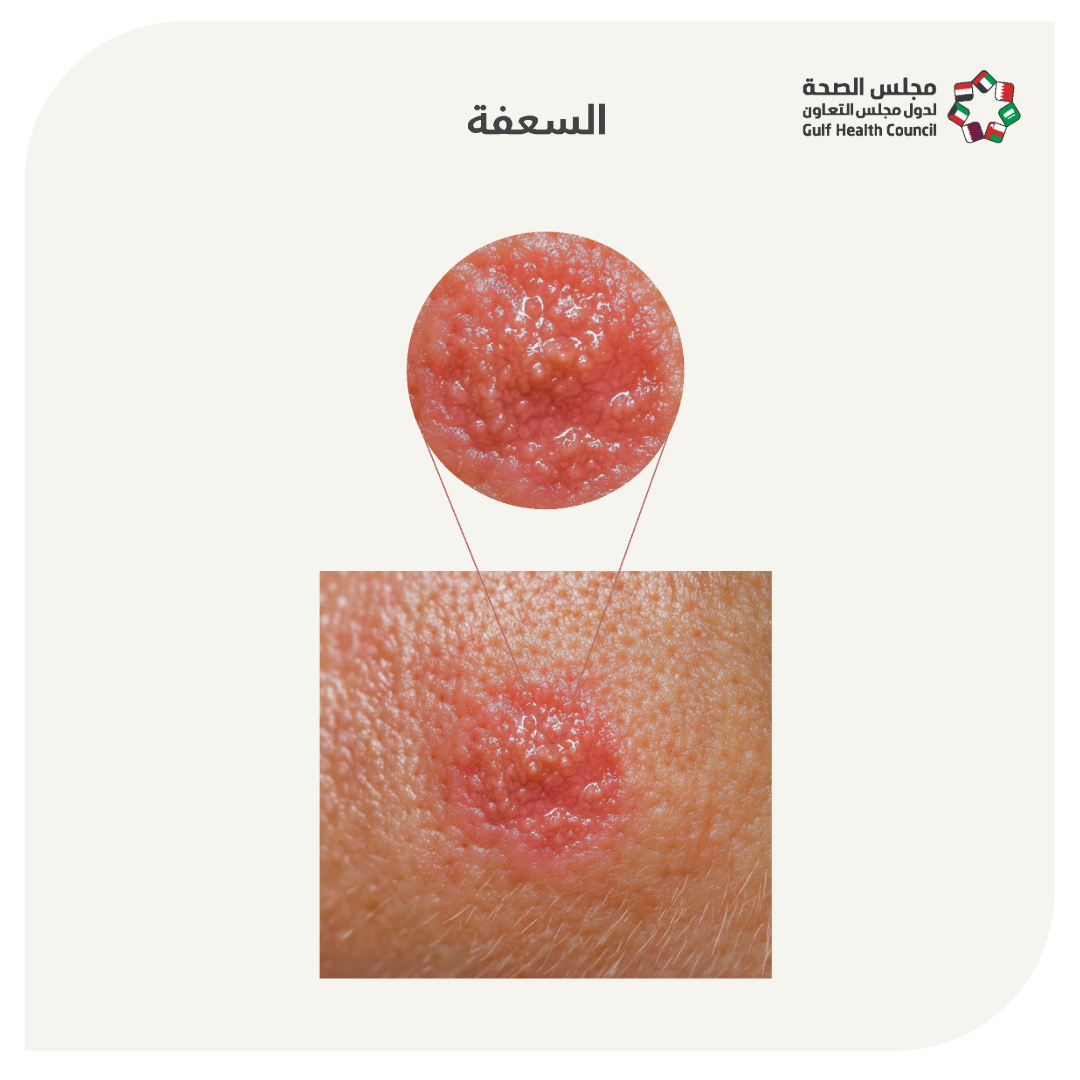
What is Tinea Capitis?
Scalp ringworm (tinea capitis) is a fungal infection that affects the scalp and hair roots, causing itching and hair loss. It commonly affects school-aged children.
Scalp ringworm (tinea capitis) or scalp fungal infection can be classified into inflammatory and non-inflammatory types. The inflammatory type is characterized by a painful patch that may contain pus
What are the symptoms of Tinea Capitis?
A circular or ring-shaped inflamed patch on the scalp with sparse hair.
Patches that slowly enlarge with black dots.
Weak, brittle, or easily falling hair.
Pain or tingling in the affected area.
What are the causes of Tinea Capitis?
Tinea capitis is caused by a fungal infection. Several factors increase the risk of developing it:
From person to person, especially when sharing personal items with an infected person or touching the infected area.
From animals: infected animals can transmit the fungus to humans through direct contact.
Living in humid environments.
A weakened immune system due to conditions such as diabetes.
Excessive sweating.
infrequent bathing and not cleaning the scalp properly.
How is Tinea Capitis diagnosed?
The doctor takes the medical history and then performs a clinical examination of the scalp. Additional procedures may be requested if needed, such as microscopic examination and testing of skin samples from the scalp, to obtain a more accurate diagnosis.
What are the treatment methods for Tinea Capitis?
Tinea Capitis is treated through several procedures or as needed, and may include the following:
Usually, the medicine used is an antifungal, and the treatment continues for 4 to 8 weeks. The antifungal shampoo can be part of the treatment plan and often helps prevent spreading, but it is not the main treatment.
How can Tinea Capitis be prevented?
To prevent Tinea Capitis. (tinea capitis), follow these steps:
Maintain proper scalp hygiene.
Avoid sharing personal items with others.
Avoid contact with infected animals. If you have a pet at home, make sure to regularly check it and treat it promptly if any fungal infection is detected.
What are the complications of Tinea Capitis?
Failure to treat Tinea Capitis can lead to the risk of developing an abscess, known as “kerion,” which causes severe hair loss and may lead to permanent baldness in the affected area. The most common cause of treatment failure is lack of adherence to taking the medication.
When should you see a doctor?
It is recommended to consult a doctor if you notice:
Hair loss.
Severe scalp itching.
Any unusual changes in the scalp
Frequently Asked Question:
Who is the group most at risk of developing Tinea Capitis?
Tinea Capitis usually occurs and spreads mainly among children aged 3–14 years, but it may affect any age group.
Can Tinea Capitis cause permanent baldness?
If left untreated, the fungal infection may lead to inflammations and pus, which can result in a scar and permanent hair loss.
