

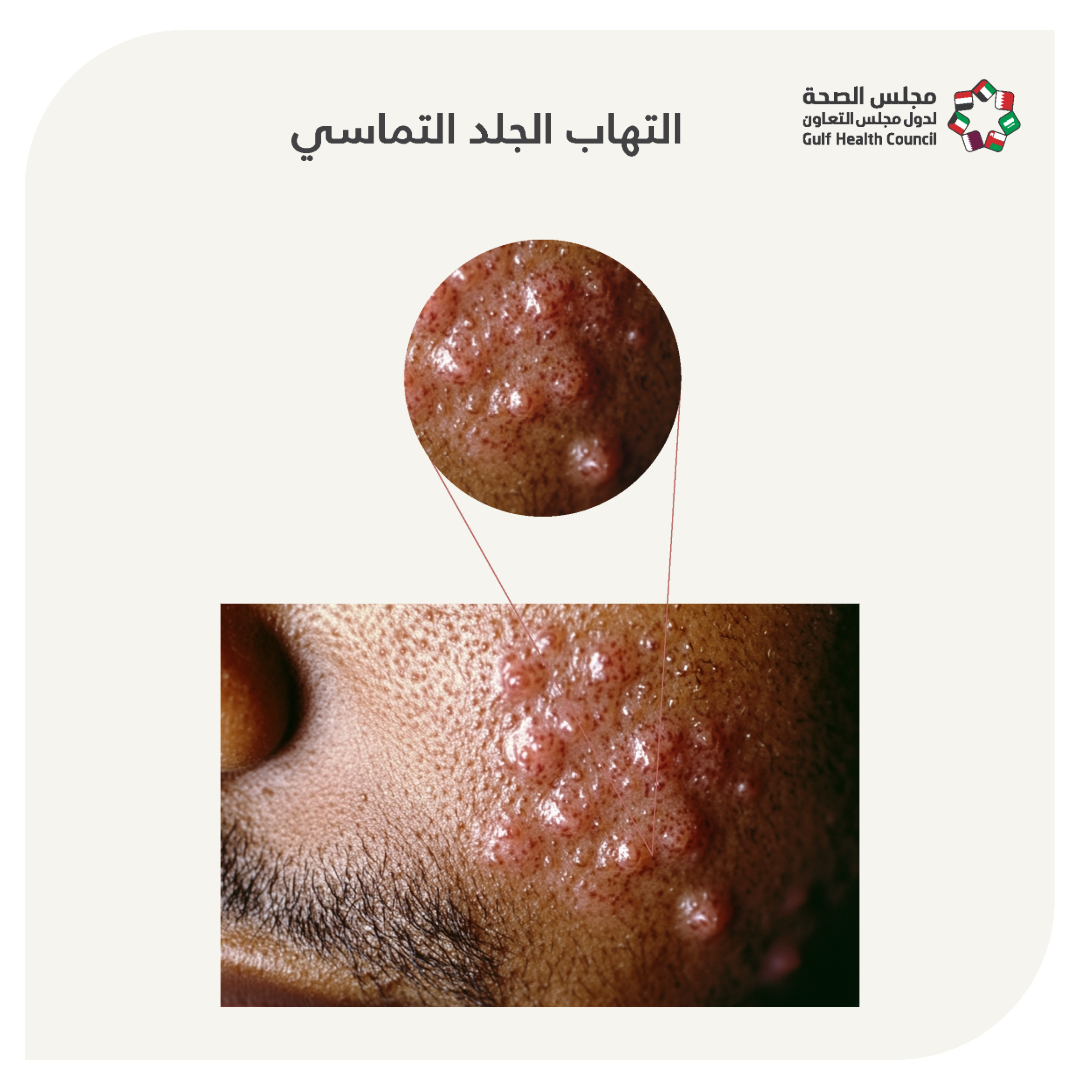
On this page, you will find everything you are looking for regarding contact dermatitis.
What is contact dermatitis?
Contact dermatitis is a type of eczema that appears as a skin rash due to direct contact of the skin with certain substances that cause irritation. There are two types of contact dermatitis:
Allergic contact dermatitis: An allergic reaction affecting the skin as a result of touching certain irritants, such as wearing certain metal jewelry, some cosmetic products, perfumes, and others.
Irritant contact dermatitis: A painful skin rash that appears quickly after exposure to a substance that causes strong irritation, such as detergents, acids, and soaps.
What are the symptoms of contact dermatitis?
Symptoms usually appear within hours or days after exposure to the irritant and may include:
- Itchy skin.
- Skin rash.
- Red spots on light skin and brown patches on dark skin.
- Ulcers.
- Blisters on the skin.
What are the causes of contact dermatitis?
Contact dermatitis occurs as a result of exposure to certain substances that cause skin irritation, such as:
- Soap.
- Gloves.
- Some hair products.
- Certain airborne particles, such as dust or pollen.
- Plants.
- Pesticides.
Causes of allergic contact dermatitis include:
- Nickel, a material used in some jewelry.
- Certain medications, such as topical antibiotics.
- Formaldehyde found in some cosmetic products.
- Some plants, such as poison ivy.
- Certain products that cause irritation upon exposure to sunlight.
How is it diagnosed?
The doctor will take your medical history and perform a physical examination, and may request additional tests if needed.
How is contact dermatitis treated?
Treatment is determined based on the case and may include:
- Topical ointment containing steroids.
- Oral antihistamines.
How can contact dermatitis be prevented?
The best way to prevent contact dermatitis is to avoid any irritants. If avoiding them is not possible, you can reduce symptoms by:
- Wash your skin or the affected area with lukewarm water immediately after exposure, then moisturize with a fragrance-free medical moisturizer.
- Wear cotton gloves to protect your hands, but remember to change them regularly.
What are the complications of contact dermatitis?
Contact dermatitis may cause infection in the affected area.
When should you see a doctor?
You should see a doctor immediately if:
- The above symptoms appear.
- The irritating substance cannot be identified.
- Symptoms do not improve with treatment.
Frequently Asked Questions:
I had contact dermatitis from a certain substance and was treated with topical creams. Could the same substance no longer cause me dermatitis?
Your body may remain sensitive to that substance, so it is best to avoid it to prevent the recurrence of contact dermatitis.
