

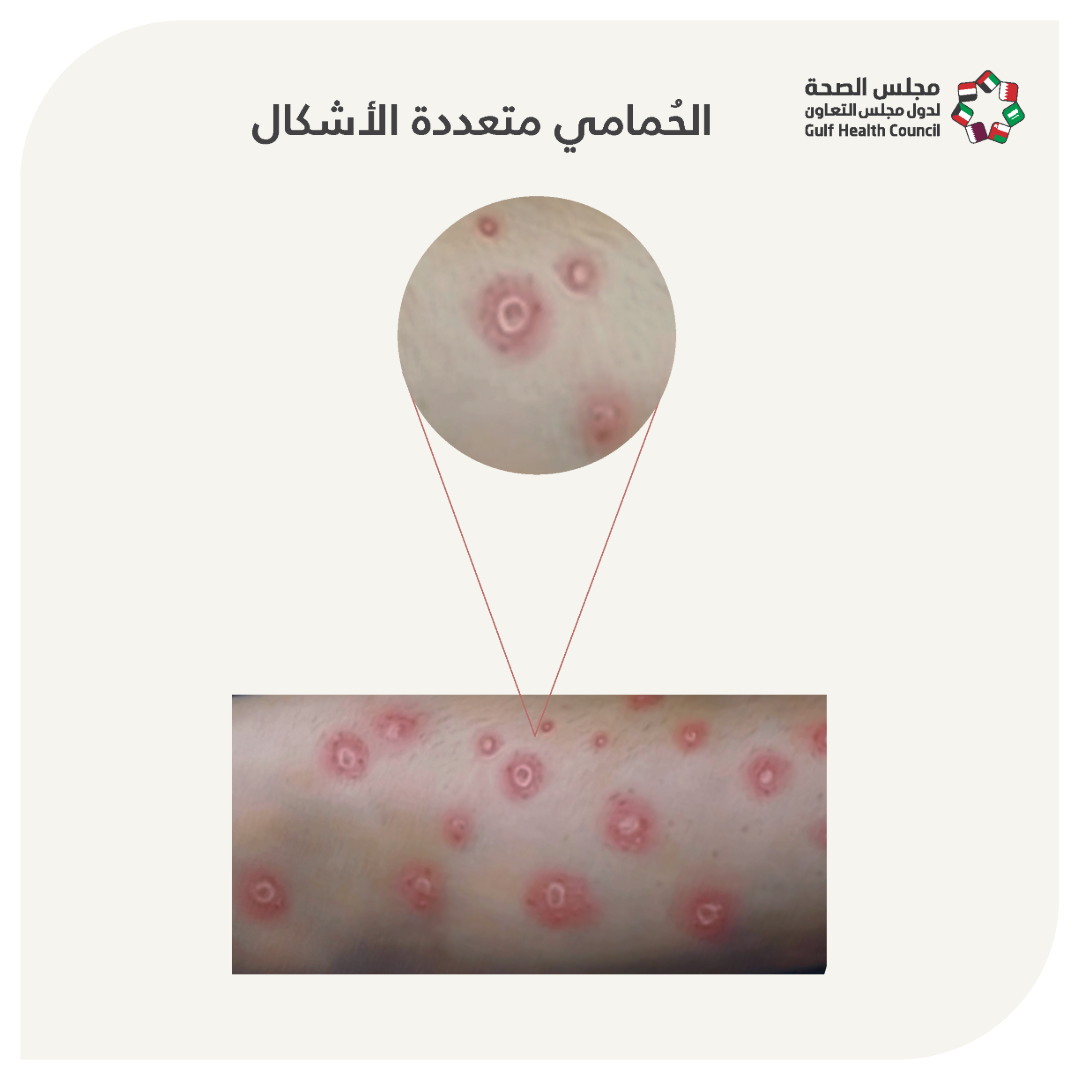
On this page, you will find everything you need to know about Erythema Multiforme.
What is Erythema?
It is a skin reaction that can occur due to an infection or some medications.
There are two types of erythema:
- Mild: The mild type of erythema affects only the skin and causes a rash. It does not involve the mucous membranes (mouth, eyes, and genitals), and it is unlikely to cause physical symptoms such as fever or chills.
- Severe: The severe type of erythema affects the skin and causes a rash and involves the mucous membranes (mouth, eyes, and genitals). It also causes physical symptoms such as fever or joint pain.
What Are the Causes of Erythema?
The precise cause of erythema is unknown, but studies suggest it may be triggered by:
- Infections, such as:
- Herpes.
- Mycoplasma pneumoniae.
- Medications, such as:
- Antibiotics.
- Anticonvulsants.
Some vaccinations.
How Is Erythema Managed?
Tips that may help to prevent erythema:
Treatment of erythema multiforme is not always necessary, as symptoms may resolve on their own. Erythema is managed as follows:
- Using antihistamines.
- Using eye drops if symptoms affect the eyes.
- Following a soft or liquid diet if mouth sores make eating difficult.
- Rinsing the mouth with a warm saline solution.
- Discontinuing any medication that may trigger symptoms – do not stop any medication without consulting your doctor first،
You can reduce your risk of developing erythema by:
- Avoiding medications such as non-steroidal anti-inflammatory drugs (NSAIDs) or antibiotics if they cause allergic reactions.
- Wash your hands regularly with soap and water to prevent fungal, viral, or bacterial infections.
- Cleaning and caring for wounds to prevent infections.
When Should You See a Doctor?
It is advised to see a doctor if symptoms of erythema appear.
Frequently Asked Questions:
What are the symptoms of erythema?
- Sudden red spots and blisters, usually on the palms, soles of the feet, and face.
- Flat, round red spots (dark rings with grayish-purple centers).
- Itching.
- Cold sores.
- Exhaustion.
- Joint pain.
- Fever.
- fever and elevated body temperature.
- Headache.
- Sores inside the mouth, making it difficult to eat and drink.
- Swollen lips covered with crusts.
- Sores on the genitals, causing painful urination.
- Red eyes.
- Sensitivity to light and blurred vision.
Is erythema multiforme contagious?
No, erythema itself is not contagious. However, if a virus or bacteria caused the erythema, the virus or bacteria may spread to others, though they may not develop erythema.
