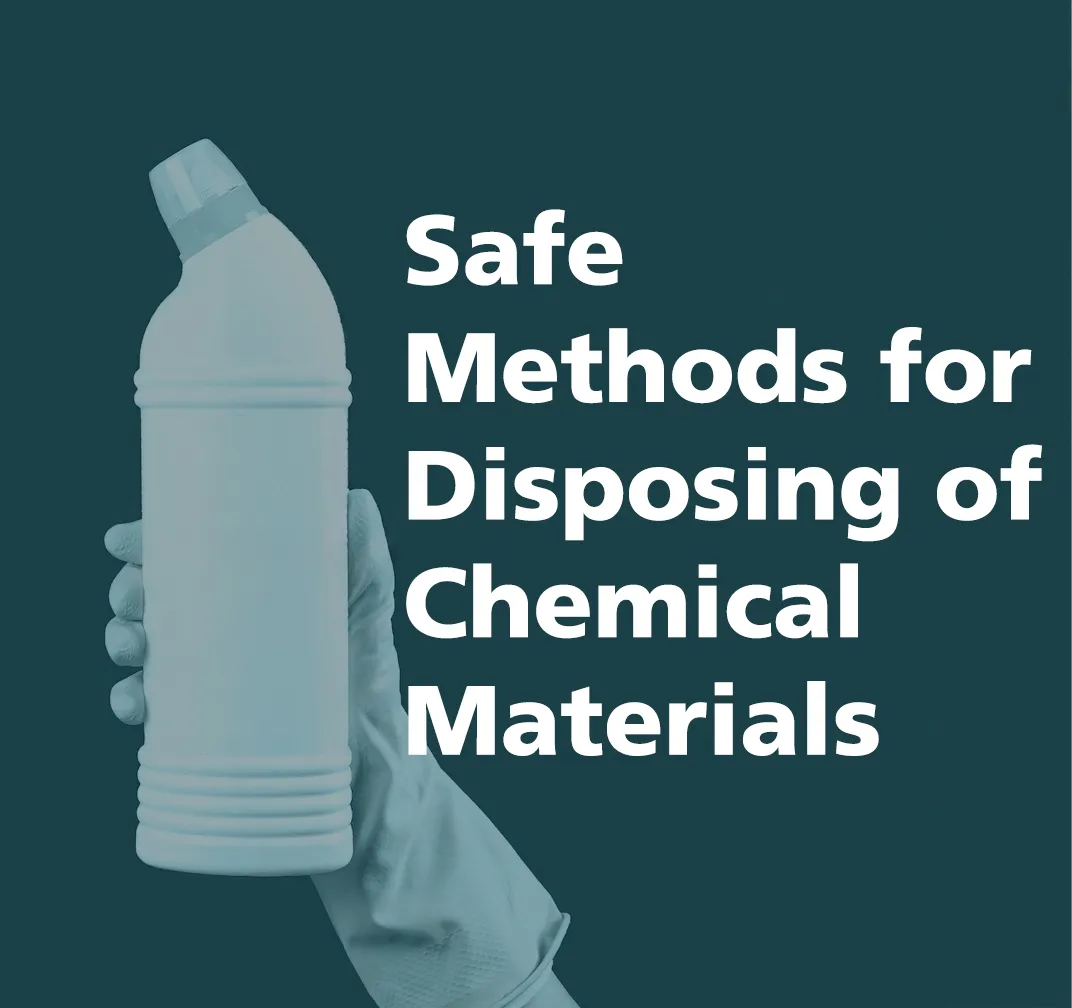
With the current industrial and technological advancement, the use of hazardous and chemical materials is increasing in various fields. With this increased use, the risks of their impact on the environment and public health also rise. Therefore, the safe disposal of hazardous and chemical materials is extremely important to ensure environmental safety and human health.
If we do not take the necessary measures to limit the impact of these harmful materials, we put the environment and its living organisms at risk. Pollution from hazardous waste harms biodiversity and increases the risk of serious diseases in humans.
Therefore, we must work to raise public awareness of the importance of safe disposal of hazardous materials and encourage companies to adopt environmentally friendly practices in their operations. Preserving the environment and its safety is a responsibility shared by all, and it requires collective cooperation to achieve it.
Hazardous chemical materials pose many risks to the environment and human health. The most prominent of these risks can be identified as follows:
- Environmental pollution: They cause pollution of air, water, and soil, leading to the destruction of natural ecosystems and negative effects on wildlife and marine life.
- Negative health effects: They may cause negative effects on human health, such as skin allergies, shortness of breath, and even serious diseases such as cancer and chronic illnesses.
- Impact on biological systems: They can affect biodiversity and reduce the number of living organisms in the environment, leading to the extinction of some species and disruption of biological systems.
- Economic impact: They can cause huge economic costs due to environmental pollution and effects on various sectors.
- Accidents and disasters: Accidents and disasters may occur as a result of unsafe handling of hazardous chemical materials, causing significant human and material losses.
Based on this, individuals, companies, and governments must work seriously to handle hazardous chemical materials safely, adopt the necessary measures for their safe disposal, and protect the environment and human health from their harmful effects.
Storing hazardous waste at home can pose risks to public health and the environment if not handled properly. Some of the potential risks of storing hazardous waste at home include the following:
- Leakage of hazardous materials: Hazardous materials may leak from storage containers if they are not tightly sealed, which can lead to environmental pollution and expose individuals to toxic substances.
- Accidents and injuries: Unsafe storage of hazardous waste can cause accidents and injuries to individuals.
- Air and water pollution: Storing hazardous waste can cause air and water pollution if disposed of improperly, affecting the environment and human health.
- Fire hazard: Some hazardous waste, such as batteries and chemical materials, can pose a risk and may cause fires if not handled carefully.
- Effects on animals and insects: Storing hazardous waste may have negative effects on animals and insects around the home, impacting biodiversity.
To avoid these risks, individuals must handle hazardous waste carefully and follow appropriate preventive measures, such as storing waste in designated containers and disposing of it properly according to methods approved by local authorities. Also, they must comply with environmental and health regulations to prevent exposure to any risks that may result from storing hazardous waste at home.
The role of individuals in the safe disposal of hazardous and chemical waste is highly important for preserving the environment and human health. An individual can effectively contribute to reducing the harmful effects of this waste by following some simple and responsible steps, including:
- Waste separation: Individuals should separate hazardous and chemical waste from regular waste and store it separately in designated containers.
- Proper disposal: Individuals should ensure that hazardous waste is disposed of using appropriate and approved methods, such as handing it over to the competent authorities for safe disposal.
- Awareness and education: Individuals should learn how to handle hazardous and chemical waste safely and reduce its negative impacts. This can be achieved by attending workshops and awareness campaigns.
- Reducing the use of hazardous materials: Individuals can minimize the use of hazardous chemical materials and replace them with environmentally safe alternatives, thereby reducing the amount of hazardous waste that needs to be disposed of.
- Participating in environmental protection: Individuals can take part in environmental campaigns and volunteer in activities such as cleaning the environment and collecting hazardous waste to help preserve the environment and prevent pollution.
The role of individuals in the safe disposal of hazardous and chemical waste can be crucial in maintaining a clean environment and protecting human health. By following correct and responsible environmental practices, individuals can be part of the solution to reduce the impact of hazardous and chemical waste on the world around them.
Hazardous waste found at home may include a variety of materials that can be harmful to public health and the environment if not handled properly. Examples of such hazardous waste include:
- Batteries: They contain hazardous chemicals such as mercury and lead. They must be handled carefully and stored in designated places to prevent leakage of these substances.
- Pesticides: They areused in homes to eliminate insects; they contain toxic chemicals that must be handled with care and any remaining amounts disposed of safely.
- Remaining and expired medications: Remaining and expired medications must be disposed of properly to prevent pollution.
- Old electrical and electronic devices: These contain hazardous materials such as mercury and lead, and must be disposed of in a proper and responsible manner.
Safe disposal of hazardous and chemical materials means disposing of them in a way that minimizes their negative impact on the environment and public health. This requires following specific guidelines and regulations that govern the disposal of these materials. Some of the most important of these procedures include:
- Separating hazardous materials from other materials: Hazardous materials should be stored separately from non-hazardous materials to avoid cross-contamination.
- Identifying waste: Individuals and facilities should identify hazardous waste and know how to handle it properly.
- Using appropriate containers: Designated containers should be used to store hazardous and chemical materials, ensuring they are tightly sealed and designed to prevent these substances from leaking into the environment.
- Proper disposal: It is essential to ensure that hazardous materials are disposed of using appropriate methods approved by the competent authorities and at designated disposal sites.
- Compliance with environmental regulations: Individuals and facilities must comply with local environmental laws and guidelines for the safe disposal of hazardous waste.
- Training and awareness: Workers in fields that handle hazardous and chemical materials should receive proper training to learn how to handle these materials safely and minimize their harmful effects.
It is important for individuals and facilities to act responsibly and handle hazardous waste carefully in their homes to protect the environment and human health.
All concerned parties must take responsibility for the safe handling of hazardous and chemical materials and work to provide the necessary protection for the environment and public health. Governments, companies, and individuals must be ready to adopt policies and procedures that preserve the environment and ensure sustainable development, maintaining a safe and healthy environment for present and future generations.
It can be said that handling hazardous and chemical materials safely is extremely important to ensure environmental safety and human health. If these materials are disposed of improperly, they can cause pollution of the air, water, and soil, and expose individuals to serious health risks. Therefore, everyone must take responsibility, handle hazardous materials with care, and follow environmental and health guidelines to dispose of them safely and responsibly. Maintaining a pollution-free environment is a shared challenge that requires cooperation and solidarity from all to ensure a healthy and sustainable future for the coming generations. Let us work together to promote a culture of safe disposal of hazardous and chemical materials and set an example for others in preserving the beauty and cleanliness of our environment. It is our collective responsibility, and let us make environmental protection a societal duty and a national obligation.