

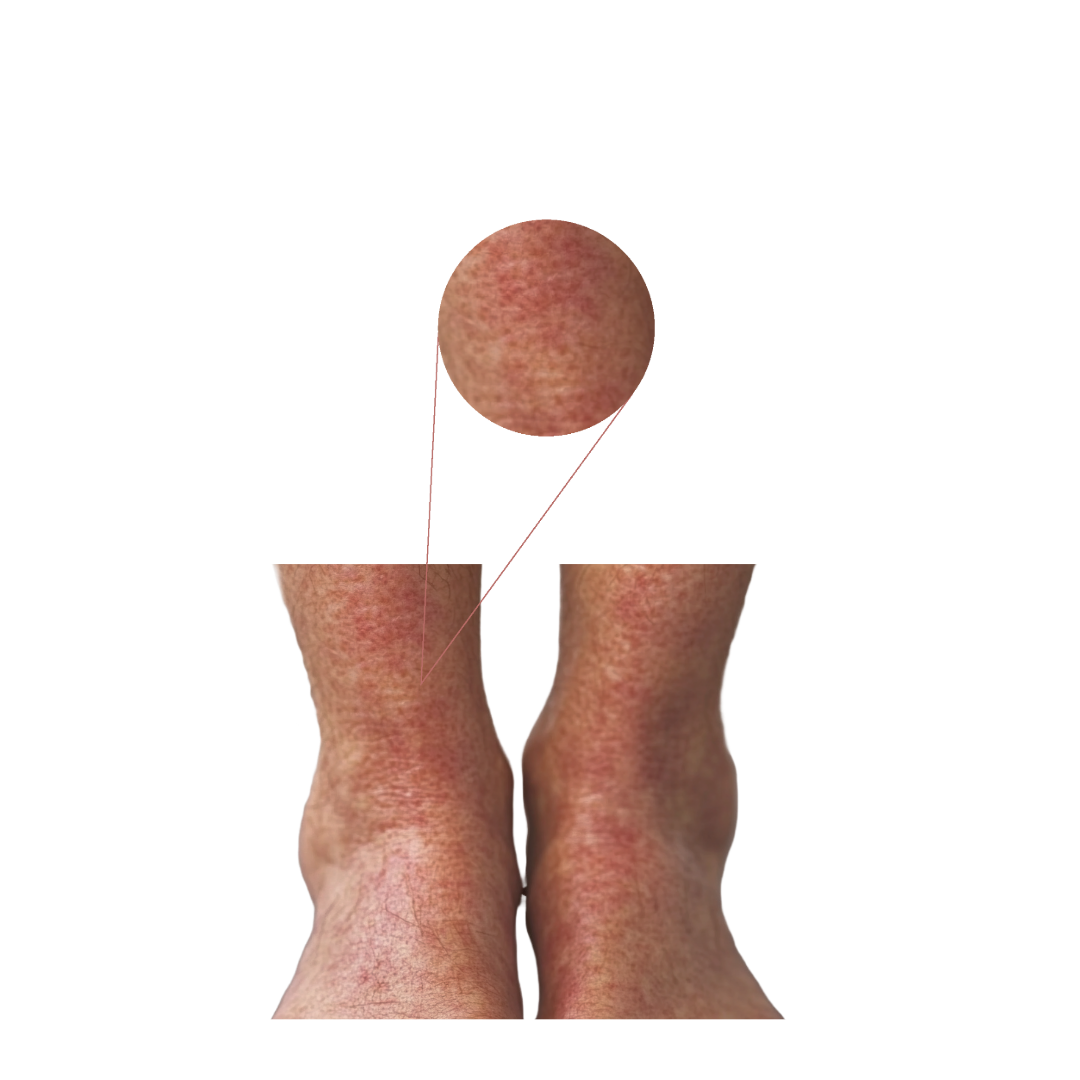
On this page, you will find everything you need to know about eczema.
What Is Eczema?
Atopic dermatitis, also known as eczema, is a non-infectious inflammatory skin condition. It is a chronic disease and is very common in children.
What Are the Symptoms of Eczema?
- Dry skin
- Itchy skin
- Skin rash
- Bumps on the skin
- Scaly or crusty skin
- Swelling
- Oozing clear fluid from scratching
What Are the Causes and Contributing Factors to Eczema?
Eczema is often linked with other allergic conditions such as asthma, hay fever, and food allergies.
Main contributing factors to eczema include:
- Genetic Factors: Children with parents who have asthma are more prone to eczema compared to others.
- Environmental Factors: People living in arid cities are more susceptible.
Factors that worsen the condition:
- Pollen, dust, mold, animals, or food allergies.
- Cold and dry air.
- Colds or the flu.
- Exposure of the skin to chemicals.
- Skin exposure to carpets, such as wool carpets.
- Emotional factors like stress.
- Fragrances added to soap or lotion.
- Excessive bathing and not moisturizing immediately after can worsen the condition.
How Is Eczema Diagnosed?
The doctor will take the medical history and perform a clinical examination. They may request additional procedures as necessary.
Doctors can usually diagnose eczema by examining the skin and asking questions, such as:
- Does the rash itch, and where does it appear?
- When did the symptoms first start?
- Does the rash appear and then disappear over time?
- Is there a family history of the disease with eczema?
- Does the patient have conditions like asthma and allergies?
- Does the diet or lifestyle contribute to the symptoms?
What Are the Treatment Methods for Eczema?
There is no actual cure for eczema, but there are treatments and preventative methods that alleviate the severity of symptoms, including:
- Reducing skin scratching by using topical steroids or taking antihistamines.
- Continuous skin hydration.
How Can Eczema Be Prevented?
Some tips that can help the patient reduce the severity of symptoms:
- Avoid scratching the skin.
- Keep nails trimmed and wear lightweight gloves while sleeping to avoid scratching the skin.
- Moisturize the skin two to three times a day using ointments like Vaseline. Moisturizers should be free of alcohol, dyes, and fragrances.
- Avoid factors that worsen symptoms, including irritants like wool and lanolin (a fatty substance derived from sheep's wool used in some skin moisturizers and cosmetics).
- Avoid strong soaps or detergents.
- Sudden changes in body temperature and stress can cause sweating, which irritates the skin.
Bathing and Hygiene:
- Bathe in lukewarm water for as short a time as possible and avoid hot water. Use a gentle body wash instead of regular soap.
- Avoid rubbing or harshly drying the skin.
- After bathing, it is recommended to use moisturizing ointments on the damp skin, which helps lock in moisture.
What Are the Complications of Eczema?
People with eczema are more susceptible to skin infections, such as herpes virus infection, due to a lack of infection-resistant proteins.
When Should You See a Doctor?
It is advisable to see a doctor if you notice:
Redness on irritated skin, especially on the inner elbows or behind knees (or on the cheeks, outside the elbows, or in front of the knees in children aged 18 months or younger).
Frequently Asked Questions
Is eczema contagious?
Eczema is not contagious and cannot be transmitted from one person to another.
