

This page will help answer your questions.
What is Jaundice?
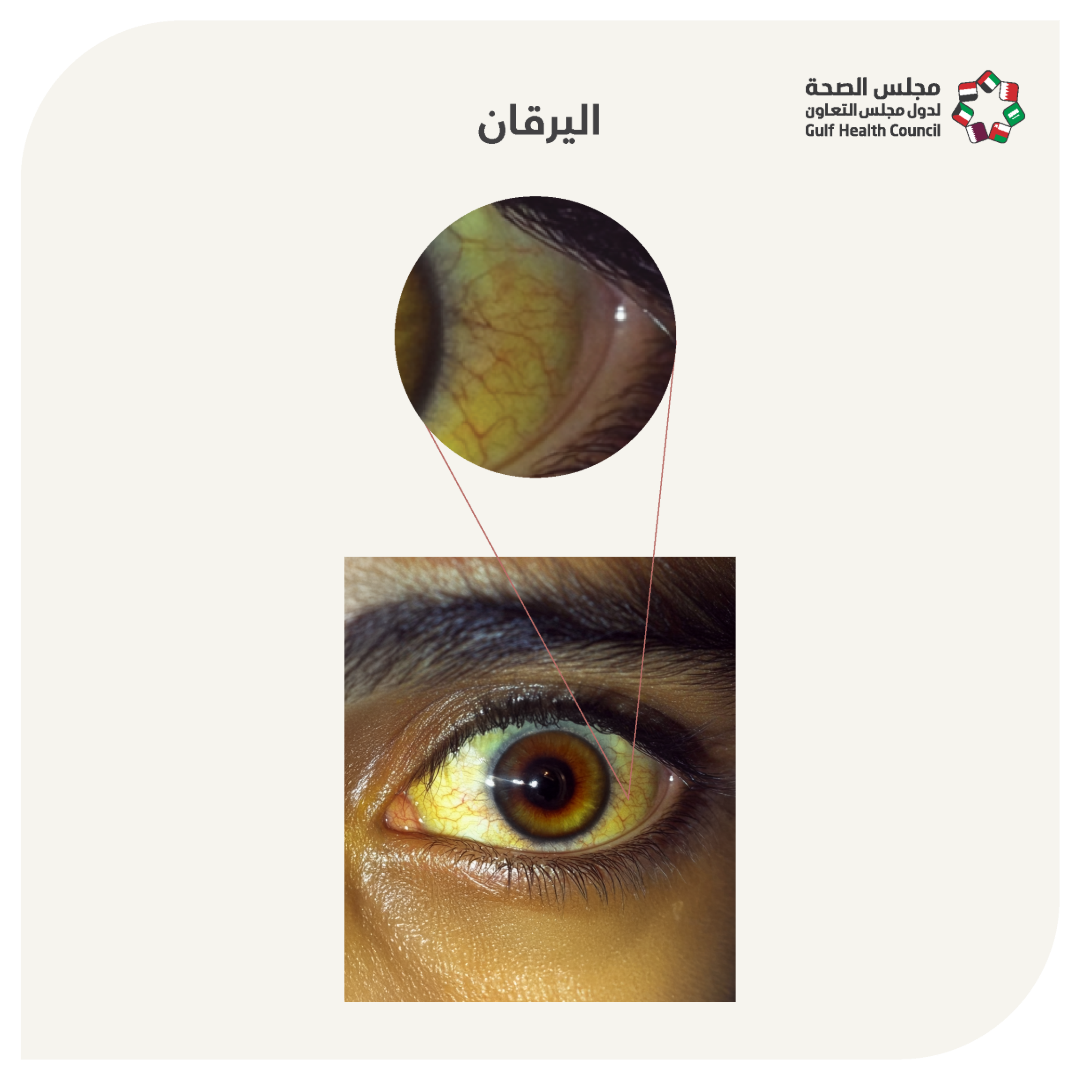
Jaundice is a yellowing of the skin, the whites of the eyes, and body fluids. It is not a disease in itself but rather a sign of an underlying health issue. It is also a common symptom in children, especially during the first month after birth.
What are the Causes of Jaundice?
Jaundice results from the accumulation of bilirubin (yellow pigment) in the blood. Jaundice is usually a symptom of liver diseases. This occurs because damaged liver cells cannot process bilirubin, causing it to leak into the bloodstream, which results in jaundice.
The causes vary based on the patient's age and accompanying symptoms. Possible reasons for jaundice include the following:
In children, especially newborns:
- Natural causes, such as the immaturity of the bilirubin elimination system in newborns, which usually develops after birth.
- Pathological causes such as:
- Insufficient breastfeeding may lead to dehydration and bilirubin buildup.
- Blood type incompatibility between mother and child.
- Certain hereditary blood diseases, like G6PD deficiency.
- Some liver and bile duct diseases, like hepatitis in children and bile duct obstruction.
- Some glandular diseases, like congenital hypothyroidism in children.
- Certain hereditary metabolic disorders.
In adults and the elderly:
- General causes like pregnancy, postoperative periods, and some medications.
- Pathological causes such as:
- Viral infections (such as hepatitis A, B, C, D, or E).
- Liver cirrhosis or alcohol consumption.
- Hemolytic diseases like G6PD deficiency.
- Autoimmune diseases, like primary biliary cholangitis.
- Genetic conditions, like Dubin-Johnson syndrome and Gilbert syndrome.
- Gallstones.
- Pancreatic, liver, or gallbladder cancer.
- Pancreatitis.
- Bile duct obstruction.
- Lymphoma (cancer of the lymph glands).
Accompanying symptoms of jaundice, indicating certain diseases include:
- Pain on the right side of the abdomen, intense yellowing of urine, pale stool color, and itching may indicate liver or bile duct issues, such as bile duct stones.
- Loss of appetite and unintended weight loss may suggest tumors in the pancreas or bile ducts.
How is Jaundice Managed? Tips that May Help You Relieve Jaundice.
The underlying cause of jaundice, not jaundice itself, must be addressed. Treatment options depend on the specific cause of jaundice. Hence, it is essential to consult a doctor immediately if you notice jaundice in yourself, your child, or a family member.
To alleviate jaundice symptoms caused by hepatitis, you should:
- Get plenty of rest.
- Drink lots of fluids.
- Avoid alcohol.
- Avoid medications affecting the liver.
Your doctor may suggest surgery for other causes of jaundice, such as:
- Gallstones.
- Bile duct obstruction.
- Pancreatic cancer.
Surgery may involve placing a stent to allow bile (a digestive fluid produced by the liver) to flow past a blockage.
When Should You See a Doctor?
If you, your child, or any family member suffers from jaundice, visit a doctor as soon as possible to determine the cause of jaundice and take necessary action.
Frequently Asked Questions:
I noticed my eyes and skin turning yellow. Does this mean I have a malignant disease?
No, many causes can lead to the yellowing of the eyes or skin, most of which are benign and treatable, such as bile duct stones and Gilbert syndrome.
