

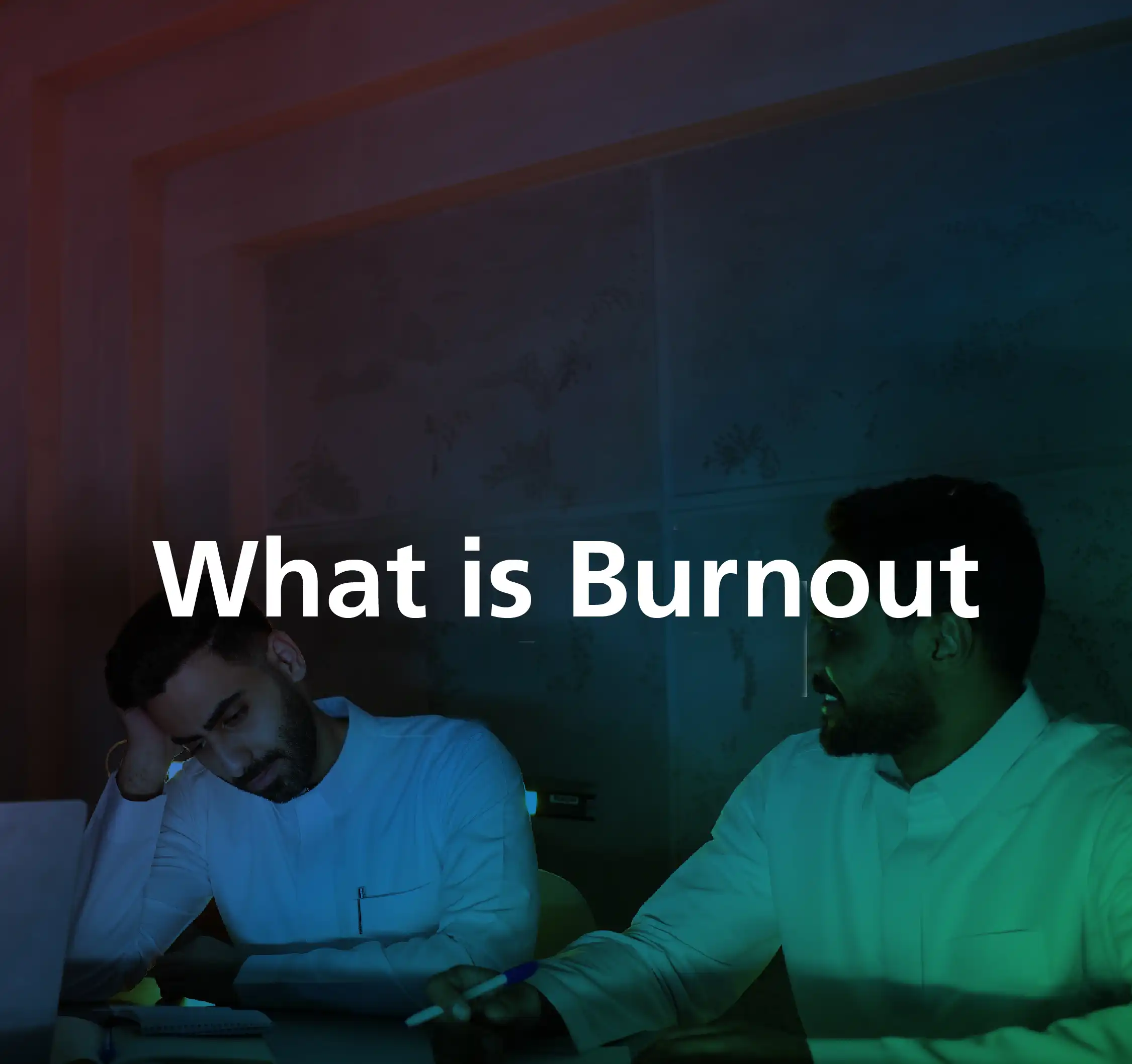
The term “burnout” is frequently discussed these days. To better understand it:
What is Burnout?
Burnout is a state of physical, emotional, and mental exhaustion caused by excessive stress and prolonged pressure at work.
Burnout can lead to several health problems, such as depression, anxiety, and insomnia.
How do I know if I’m suffering from burnout?
Burnout is usually described through a set of symptoms that occur simultaneously. The most important include:
1. Chronic fatigue and exhaustion on a physical and emotional level.
2. Persistent feelings of detachment from work, occupation, or reality.
3. A chronic feeling of lack of accomplishment or effectiveness at work.
4. Noticing a decrease in productivity and an inability to concentrate.
Burnout may also be associated with physical symptoms such as chronic headaches, sleep disturbances, or digestive issues like irritable bowel syndrome.
For a diagnosis, these symptoms must persist over time..
Who is more prone to burnout? Certain people are more susceptible to burnout. Individuals working in high-pressure professions, such as doctors, are at greater risk. Likewise, people with certain personality traits, like perfectionism and high work commitment, are more prone to burnout.
Causes that increase the likelihood of experiencing burnout
There are several factors that increase the likelihood of experiencing burnout, including:
1. Inability to manage work pressures efficiently and effectively.
2. Not having clearly defined tasks during work, which increases the psychological burden on the employee and makes them feel out of control of their work or schedule.
3. Excessive passion and striving for perfection, or a constant tendency to achieve accomplishments.
4. Adopting unhealthy practices related to exercise, diet, and sleep.
5. A lack of appreciation and feeling that completed work is neither valued nor recognized.
6. Accompanying personal and social pressures and obstacles, thus reducing the chances of receiving support from family and social circles.
Is burnout permanent?
Not necessarily. Burnout isn’t an injury that happens once; rather, it’s a state of chronic stress. It can persist for months or years if not addressed properly. The duration varies from person to person, depending on several factors such as the degree of burnout, the individual’s psychological resilience, the speed of diagnosis and recognition of the problem, and the ease of accessing treatment and therapy.
What are the consequences of burnout?
Burnout can have severe consequences for mental and physical health, including:
1. Depression or anxiety: Burnout may progress to depression or anxiety, negatively affecting mental and physical health.
2. Sleep disorders: Burnout can lead to chronic sleep issues like insomnia.
3. Inability to concentrate: It may cause difficulties in focusing, making appropriate decisions, or completing tasks at work.
4. Accompanying health issues: Burnout may lead to other accompanying health problems such as headaches, colon pain, or high blood pressure.
5. Reduced productivity: Burnout can lead to decreased productivity at work.
6. Increased absenteeism: It may raise the likelihood of being absent from work.
How can burnout be managed?
Yes, there are numerous ways to address burnout, including lifestyle changes, training to cope with work pressures, receiving support from supervisors and managers, therapeutic sessions such as cognitive behavioral therapy, and possibly taking medications prescribed by a specialist.
When should I seek professional help if I have burnout?
If you experience the symptoms of burnout we’ve discussed, and these symptoms are affecting your quality of life and work ability, and persist despite your attempts to manage them, do not hesitate to seek support from professionals, including doctors and psychological therapists.