

Gonorrhoea (Syphilis)
On this page, you will find everything you need to know about syphilis.
WhatSTIissyphilis?
Syphilis is a sexually transmitted infection (STI) caused by bacteria. It can lead to serious health problems if left untreated. However, it is easily treatable if detected early. Individuals who engage in illicit and atypical sexual activities are more susceptible to syphilis.
What are the symptoms of syphilis?
Some people with syphilis may not exhibit any symptoms, so they may not know they have the infection unless they undergo testing.
Syphilis occurs in four stages: primary, secondary, latent, and tertiary.
- The signs and symptoms of syphilis depend on its stage.
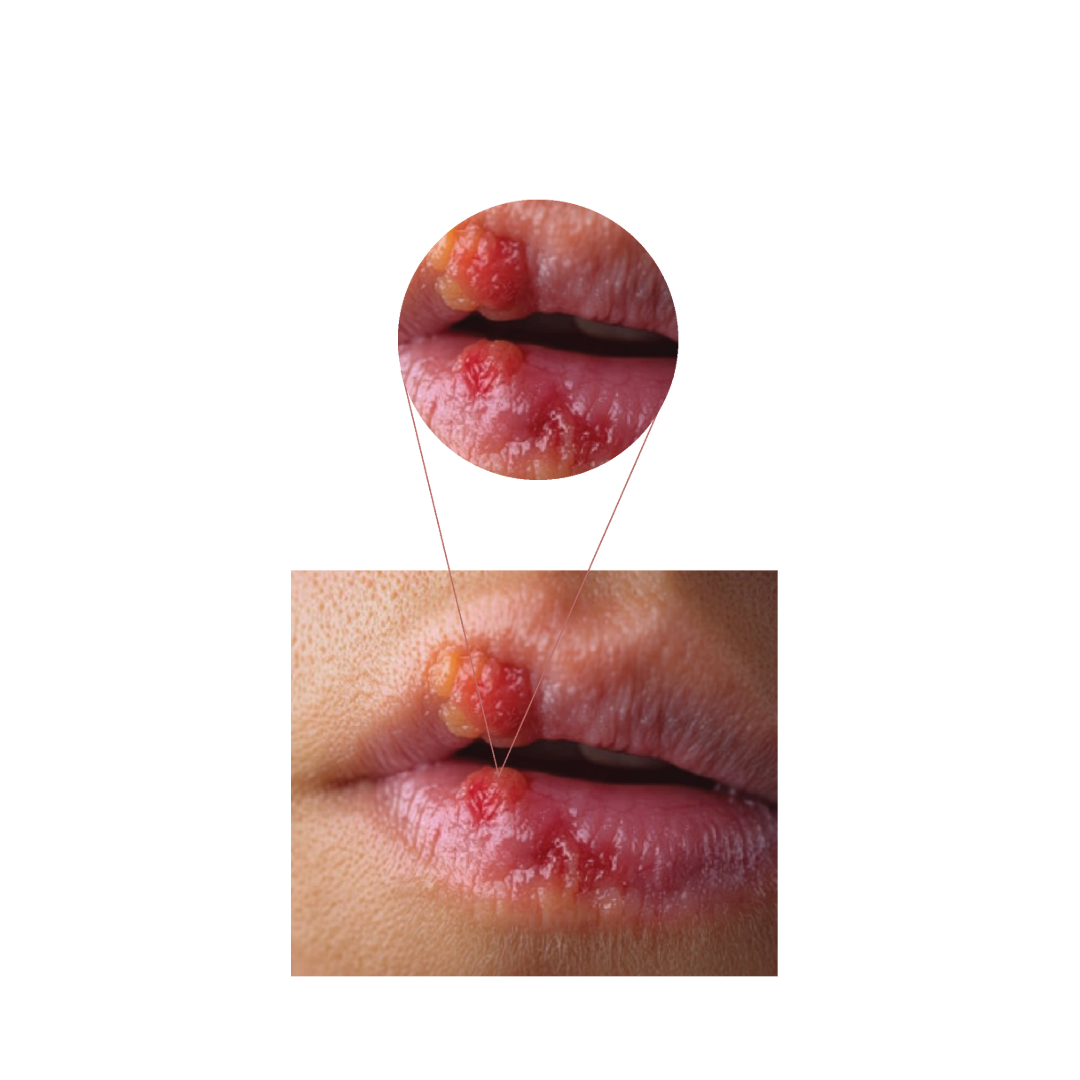
Primary syphilis occurs three to four weeks after infection (although it can take up to 90 days for the sore to appear). Symptoms may include one usually painless ulcer, about one centimeter in size, at the entry site of the infection, such as the penis, vagina, cervix, mouth, or anus. Swollen lymph nodes might also be present.
Sometimes, one or more sores may go unnoticed, as they are typically painless and can be hidden in areas such as the back of the throat, vagina, or anus.
- These sores typically resolve on their own within three to six weeks, even without treatment. However, although the sores heal, without treatment, the infection remains contagious and can be transmitted to others.
- Secondary syphilis can occur seven to ten weeks after the initial infection.Symptoms can last for 6 months or more and may include:
- A red rash on the palms, soles, chest, or back.
- Fever.
- Swollen glands in the armpits and groin..
- Sore throat.
- Hair loss.
- Weight loss.
- Headache.
- Pain in the bones, muscles, and joints.
- Feeling tired.
- Sores in the mouth, nasal cavity, or genitals.
- Neurological symptoms.
- Latent (dormant) syphilis generally does not exhibit symptoms and is only detected through blood tests. If not treated at this stage,syphilis may remain latent or progress to tertiary syphilis. Latent syphilis is contagious during the first twelve to twenty-four months.
Tertiary syphilis can appear anywhere from 5 to 20 years after the initial infection. At this stage, the bacteria can destroy almost any part of the body, including the heart, brain, spinal cord, eyes, and bones, leading to heart diseases, mental illnesses, blindness, deafness, and neurological problems.
What Causes Syphilis?
Syphilis is usually spread through direct skin-to-skin contact during vaginal, anal, or oral sex. It can also spread through direct contact with open sores in areas such as the lips, mouth, breasts, or genitals.
Syphilis is highly contagious when rashes or sores are present. It can also be transmitted before people know they are infected and by those without any sores.
Syphilis can sometimes spread through blood contamination, needlestick injuries, or shared injection equipment. It is extremely rare for syphilis to be transmitted through a blood transfusion.
A pregnant woman with syphilis can pass the infection to her baby through the placenta. This is called congenital syphilis.
- Groups particularly at risk for contracting syphilis include:
- Men who havesex with men..
- Children of mothers who were not properly tested and treated for syphilis during pregnancy.
People who use injection drugs.
How is syphilis diagnosed?
- A doctor takes a medical history and conducts a clinical examination. Additional procedures may be requested as necessary, such as:
- Conducting a blood test to confirm the syphilis diagnosis. The blood test detectsantibodies produced by the body to fight the infection. A positive result indicates a current or past syphilis infection. It can take up to three months for antibodies to form, so early testing may yield negative results..
Performing a sore swab test. Pregnant women are routinely tested for syphilis, and concurrent testing for other STIs, such as chlamydia, gonorrhea, and HIV, may be done.
How is syphilis treated?
- Treatment is conducted through various proceduresas needed, which may include:
- Syphilis is usually treated with penicillin injections into the muscles. Other treatments are available if the patient is allergic to penicillin. The time needed for treatment depends on the stage of the infection. The patient mayneed repeat blood tests every three, six, and twelve months after treatment to ensure its effectiveness. After penicillin treatment, the patient may feel flu-like symptoms for twenty-four hours, such as fever and aches, which will subside.
For pregnant women: If detected early in pregnancy, syphilis can be treated to reduce risks. It is advised that all women undergo a syphilis test in the first twelve weeks of pregnancy or at the first prenatal visit.
How to prevent syphilis?
Avoid engaging in illicit sexual relationships to prevent contracting syphilis.
- It is strongly advised to:
- Avoid extramarital relationships.
- Refrain from having sex with a person infected with syphilis or showing symptoms of syphilis until after treatment.
- Undergo regular STI screenings – every 6 to 12 months.
Avoid sexual activity, even with a condom, for 7 days after completing the full course of treatment. Syphilis is highly contagious, especially in the early stages.
What arethe complicationsofsyphilis?
If left untreated, syphilis can lead to severe complications. It can spread throughout the body over many years (tertiary syphilis), potentially causing significant issues in the brain, eyes, and heart. Congenital syphilis, if untreated, can lead to major complications, including miscarriage, stillbirth, premature birth, or low birth weight. Children born with syphilis can experience severe problems in the brain, bones, blood, organs, vision, and hearing.
When should you see a doctor?
If you suspect you might have syphilis, it is important to see a doctor as soon as possible. Your doctor will confirm the diagnosis through testing and initiate treatment if necessary.
FAQs:
Is it possible to detect syphilis during marriage screening?