

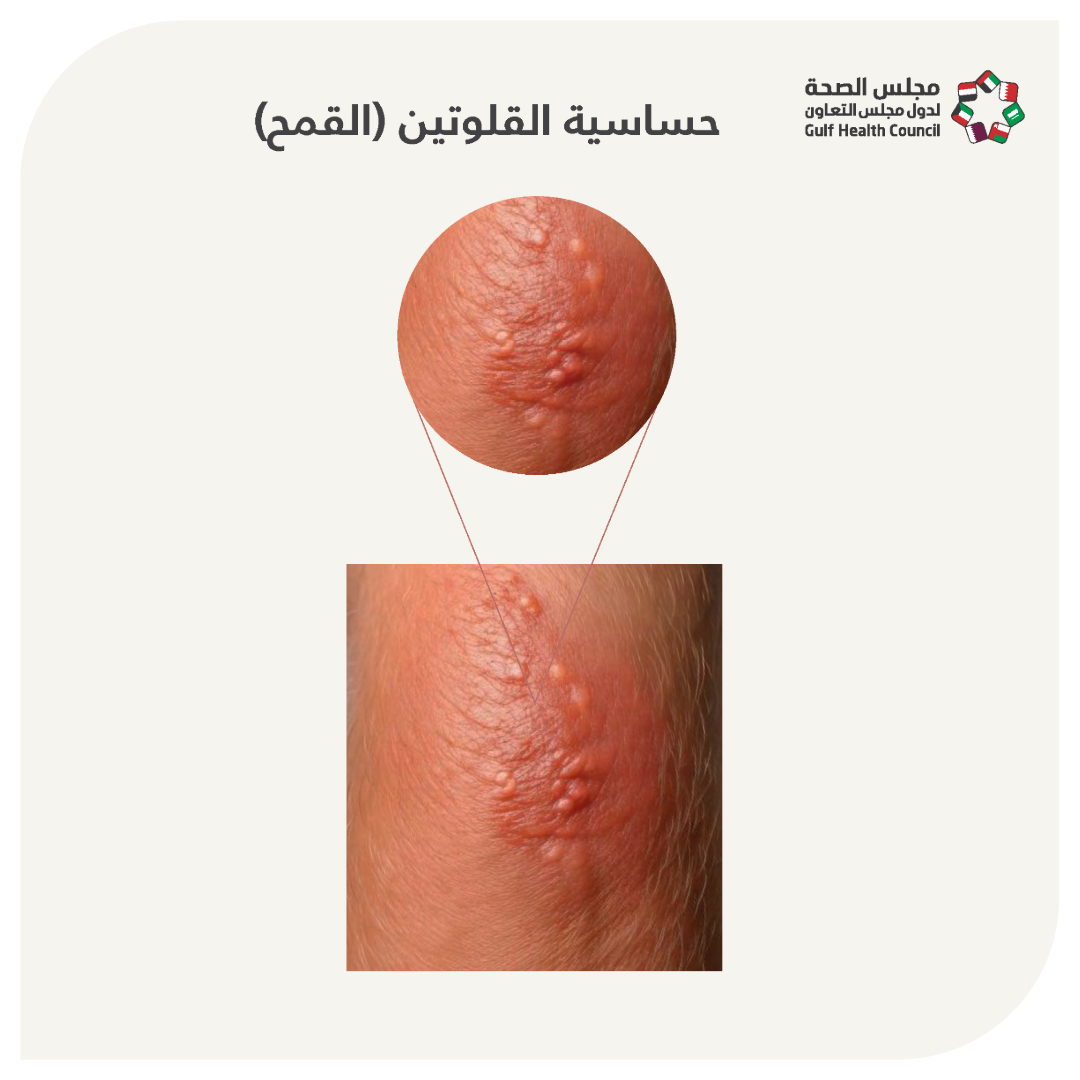
Wheat Allergy
On this page, you will find everything you’re looking for regarding wheat allergy.
What is a Wheat Allergy?
Wheat allergy is an allergic reaction to foods containing wheat, which manifests when consuming any wheat derivatives. In some cases, inhaling wheat flour may also trigger an allergic response.
What are the Symptoms of Wheat Allergy?
- When individuals with a wheat allergy consume or come into contact with any wheat products, their bodies initiate an allergic reaction. Symptoms can range from severe to mild and include:
- Itching or irritation of the skin.
- Itching or tingling in the mouth.
- Skin rash.
- Swelling of the mouth or face.
- Abdominal pain.
- Vomiting.
- Difficulty breathing and shortness of breath.
- Wheezing during breathing.
- Loss of consciousness.
- Anaphylaxis.
- Hoarseness.
- Diarrhea.
Headache.
What Causes Wheat Allergy?
Wheat allergy occurs when your immune system has an abnormal reaction to proteins found in wheat.
- Additionally, some factors increase the likelihood of developing a wheat allergy, including:
- Age
Family medical history
How is a Wheat Allergy Diagnosed?:
- The doctor will take a medical history and conduct a clinical examination. They may also request additional procedures as needed, such as:
- Skin test: Involves applying drops containing wheat protein to check for skin reactions.
- Blood tests.
The doctor may ask you to keep a dietary journal, noting what you ate, when you ate it, and when symptoms appeared.
How is Wheat Allergy Treated?
- Treatment involves various measures as needed and may include:
- The primary treatment for wheat allergy is to avoid all products containing wheat and replace them with other products.
The doctor may also prescribe an epinephrine injection.
How to Prevent Wheat Allergy?
To avoid complications and prevent an allergic reaction, avoid any products or ingredients of wheat products and follow a wheat-free diet.
What are the Complications of Wheat Allergy?
- The most common complications include:
- Anaphylaxis.
Anaphylactic shock: When severe blood pressure drops occur, leading to facial pallor, loss of consciousness, and cessation of breathing.
When Should You See a Doctor?
If you have a wheat allergy and begin experiencing allergy symptoms, see a doctor. If anaphylaxis symptoms appear, go to the emergency room immediately.
- Symptoms of anaphylaxis:
- Difficulty and shortness of breath.
- Hoarseness.
- Swelling and puffiness in the tongue or throat.
- Severe abdominal pain.
Severe vomiting.
Frequently Asked Questions:
Is Wheat Allergy the Same as Celiac Disease?
Wheat allergy is not the same as celiac disease.
Wheat allergy is an allergic reaction to wheat protein, causing allergic reactions affecting the skin, digestive system, and respiratory system.
