

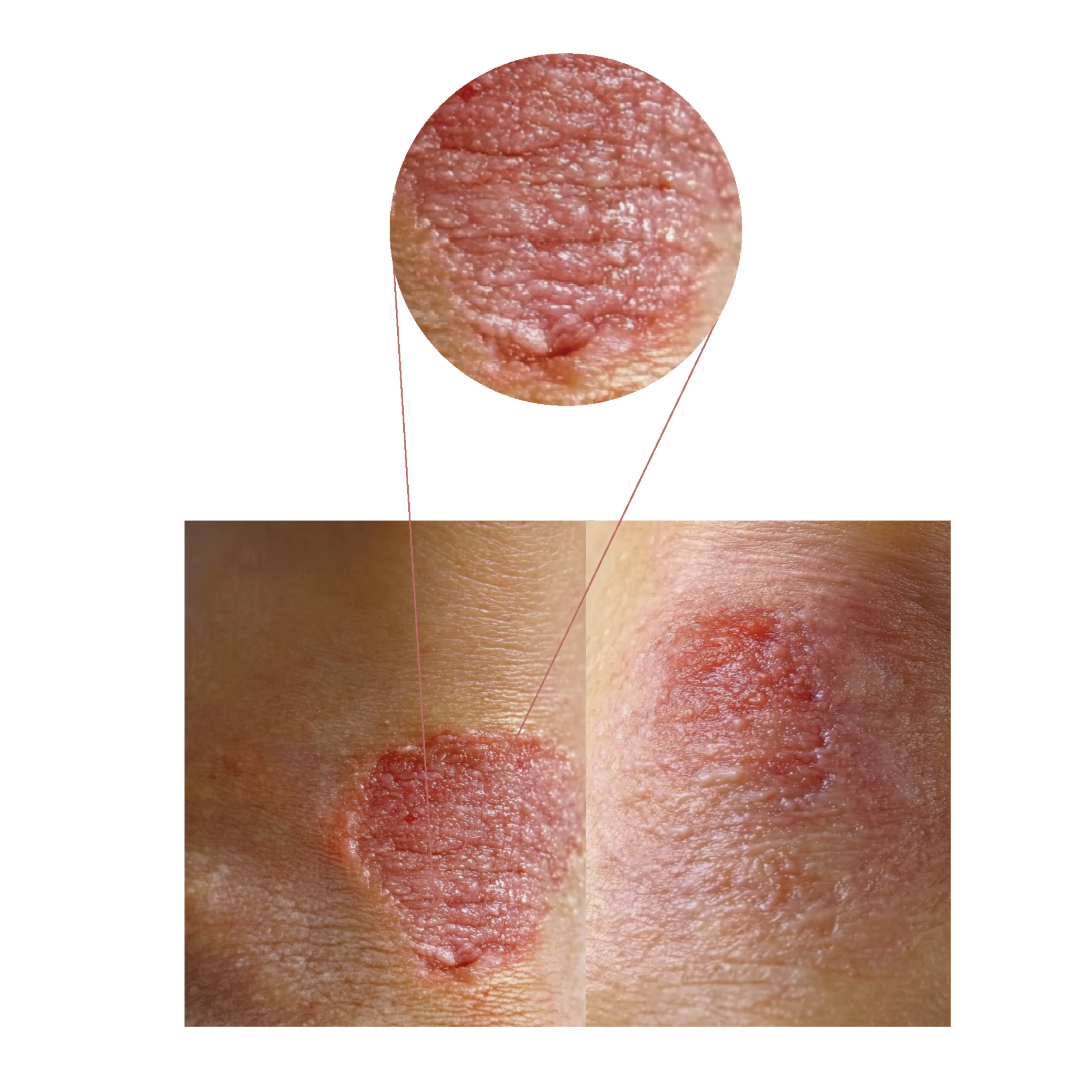
Bed Sores
On this page, you will find everything you are looking for regarding bed sores.
What Are Bed Sores?
- Bed sores, also known as pressure ulcers, are wounds that occur in areas of the body that are under pressure from lying in bed or sitting in a wheelchair for long periods without movement. Common areas for sores include:
- Lower back
- Buttocks area
- Heels of the feet
- Shoulder blades
- Back of the head
Back and sides of the knees
What Are the Symptoms of Bed Sores?
- Bed sores are classified into four stages, from least severe to most severe:
- Stage one: The area appears red and warm, and may be painful at this stage.
- Stage two: The area looks more damaged and may present an open sore, with a change in skin color around the wound with increased pain.
- Stage three: The affected area appears like a crater due to damage to the skin surface.
Stage four: The area is severely damaged, with a large wound that may have reached the muscles and bones.
What Causes Bed Sores?
Bed sores develop when the blood supply to the skin is cut off for two to three hours or more, starting as a painful red spot that eventually turns purple. If left untreated, the area may open and become infected.
- Bed sores can become very deep, potentially extending into muscles and bones, and healing can be difficult depending on the severity of the sore, its location, and the individual’s physical and health condition. Major risk factors for sores include:
- Being bedridden or unconscious, unable to feel pain or move.
Individuals with diabetes, circulatory problems, or malnutrition.
How Are Bed Sores Diagnosed?
A doctor diagnoses bed sores by examining the skin of individuals at risk of developing bed sores.
How Are Bed Sores Treated?
- Treatment depends on the severity of the sores, becoming more challenging when the skin is open. Treatments involve several procedures, or as needed, including:
- Relieving pressure on the affected area.
- Protecting the wound with therapeutic gauze or special bandages.
- Keeping the wound clean.
- Ensuring proper nutrition.
- Removing damaged or infected tissue.
- Treating wounds with negative pressure therapy.
Grafting healthy skin onto the wound area.
What Are the Prevention Methods for Bed Sores?
Bed sores can be prevented by regularly examining the skin for red areas, along with several steps to prevent sores or reduce their severity, such as:
- Changing the patient’s position every 15 minutes.
- Providing soft padding in wheelchairs and beds to reduce pressure.
- Keeping the skin clean and dry.
- Ensuring good nutrition.
What Are the Complications of Bed Sores?
Once a patient develops bed sores, healing can take a long time–potentially years–with an increased risk of infection, leading to fever and chills.
When Should You Consult a Doctor?
A doctor should be consulted if symptoms appear at the first stage, to treat them before they progress to other stages.
Frequently Asked Questions
Are bed sores untreatable?
Fortunately, bed sores can be treated if appropriate care is provided in a timely manner. Therefore, when noticing any of the mentioned symptoms, appropriate measures should be taken to treat the patient.
