

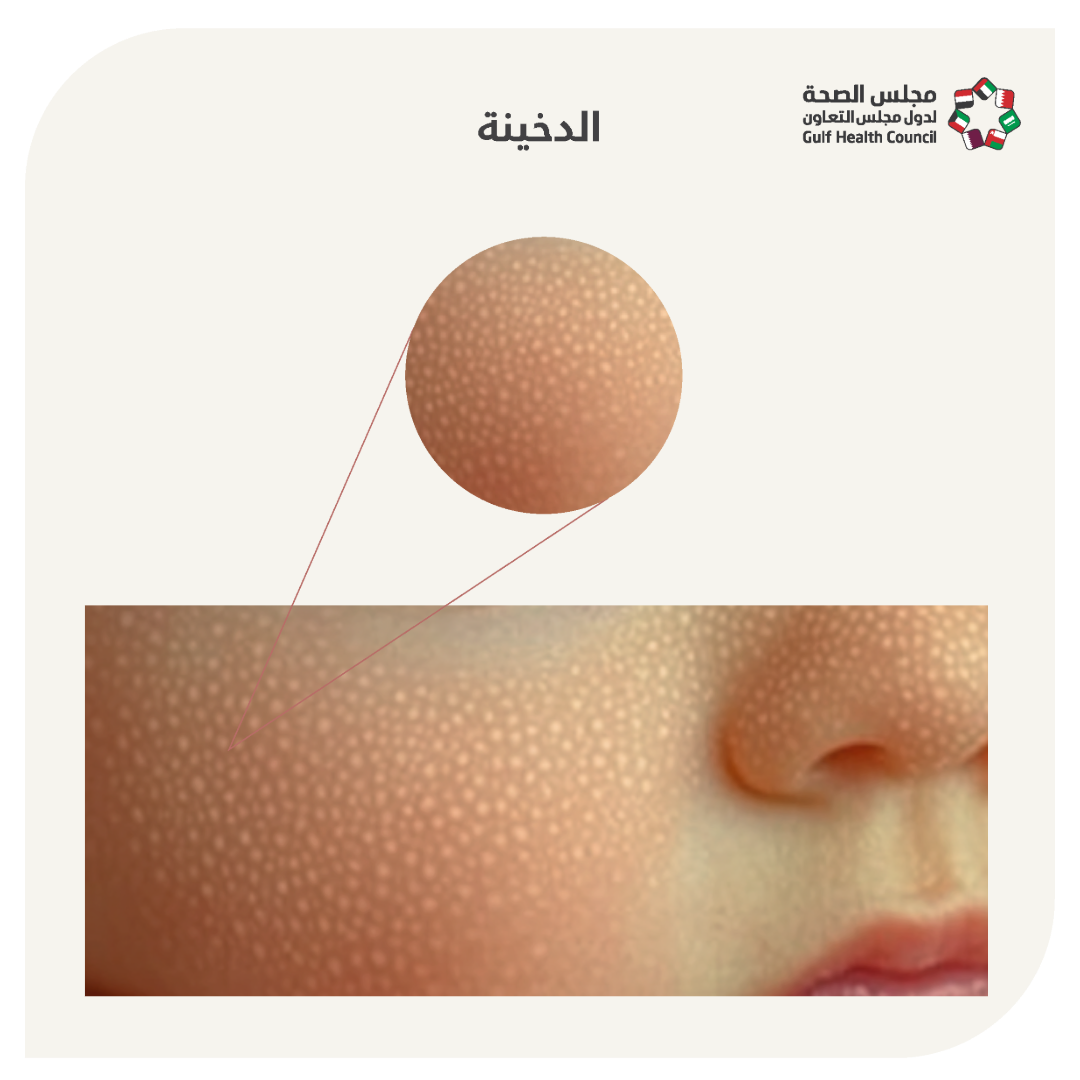
Milia
(Diseases)
On this page, you will find everything you’re looking for about Milia.
What is Milia?
Milia are small, white, benign bumps that usually appear in clusters on the cheeks and nose. They form when keratin (the main protein in skin, hair, and nails) becomes trapped beneath the skin. These bumps can appear in different ways and on any area of the skin, but they are most common on the face. About half of newborns get them. Since they don’t cause any serious complications, people usually don’t pay much attention to them, and the bumps typically disappear without leaving scars within about one month in most cases.
What are the symptoms of Milia?
The main and obvious sign is the appearance of small white bumps. They don’t cause pain, itching, or infection and usually disappear within a few weeks or months. In newborns, they are especially found on the nose, but can also appear on the scalp, upper body, mouth, palate, or anywhere else. In children and adults, they usually show up on the face in clusters of white bumps on the cheeks, eyelids, or forehead, and can even develop on the genitals.
- What causes Milia?
- Milia usually form when keratin (a type of protein) gets trapped in small, harmless cysts just under the skin’s surface. In newborns, there is no known cause, and they usually have it from birth. However, in older children and adults, secondary causes of Milia often include skin problems or injuries such as:
- Epidermolysis bullosa.
- Trauma, burns, or radiation therapy.
- Long-term use of steroid creams.
- Skin resurfacing techniques like laser skin grafting.
Certain diseases, such as shingles, eczema, or bullous lupus erythematosus.
Immunosuppressive medications.
How is Milia diagnosed?
Doctors can diagnose Milia by examining the skin and identifying the cyst based on its appearance. It’s usually easy to recognize. In rare cases, if the doctor is unsure about the cause, they may refer the patient for a skin biopsy.
How is Milia treated?
- Treatment for Milia depends on its type. In newborns, Milia usually go away on their own within weeks or a few months after birth, and generally don’t need any treatment.
- Primary Milia in children and adults, and secondary Milia, can be more persistent. If they are bothersome, treatment options may include:
- Cauterizing with heat or electricity.
- Freezing the bumps.
Topical cream.
Piercing the bumps with a sterile blade and removing their contents.
It’s best not to scratch or pop them to avoid the appearance of new bumps.
How can Milia be prevented?
There’s no way to completely prevent Milia, but it may help to gently wipe a newborn’s face daily.
What are the complications of Milia?
There are no complications from Milia. They are benign bumps and do not cause pain. Also, they usually disappear in newborns within a few weeks after birth. Even though they may last longer in older children and adults, they are not considered dangerous.
When should you see a doctor?
There’s no urgent need to visit a doctor if you or your child has Milia. But if your newborn has Milia and you notice a colored rash, peeling skin around it, or a fever, it’s best to consult a healthcare provider.
- Frequently Asked Questions
- What are the types of Milia?
Primary Congenital Milia: The most common type. It affects newborns and causes white bumps on the skin near the nose. It is present from birth.
Secondary Milia (caused by other skin problems or injuries): Affects both children and adults, causing small recurring cysts on the cheeks, genitals, forehead, and eyelids.
- Who is at risk of getting Milia?
- Newborns are very commonly affected because their skin is still learning to shed dead skin cells. People of all ages and all skin types can get Milia, but certain factors increase the risk, such as:
- Poor personal hygiene or lack of skincare.
- Using oily makeup or skincare products that clog pores.
- Skin conditions like dandruff or rosacea.
