

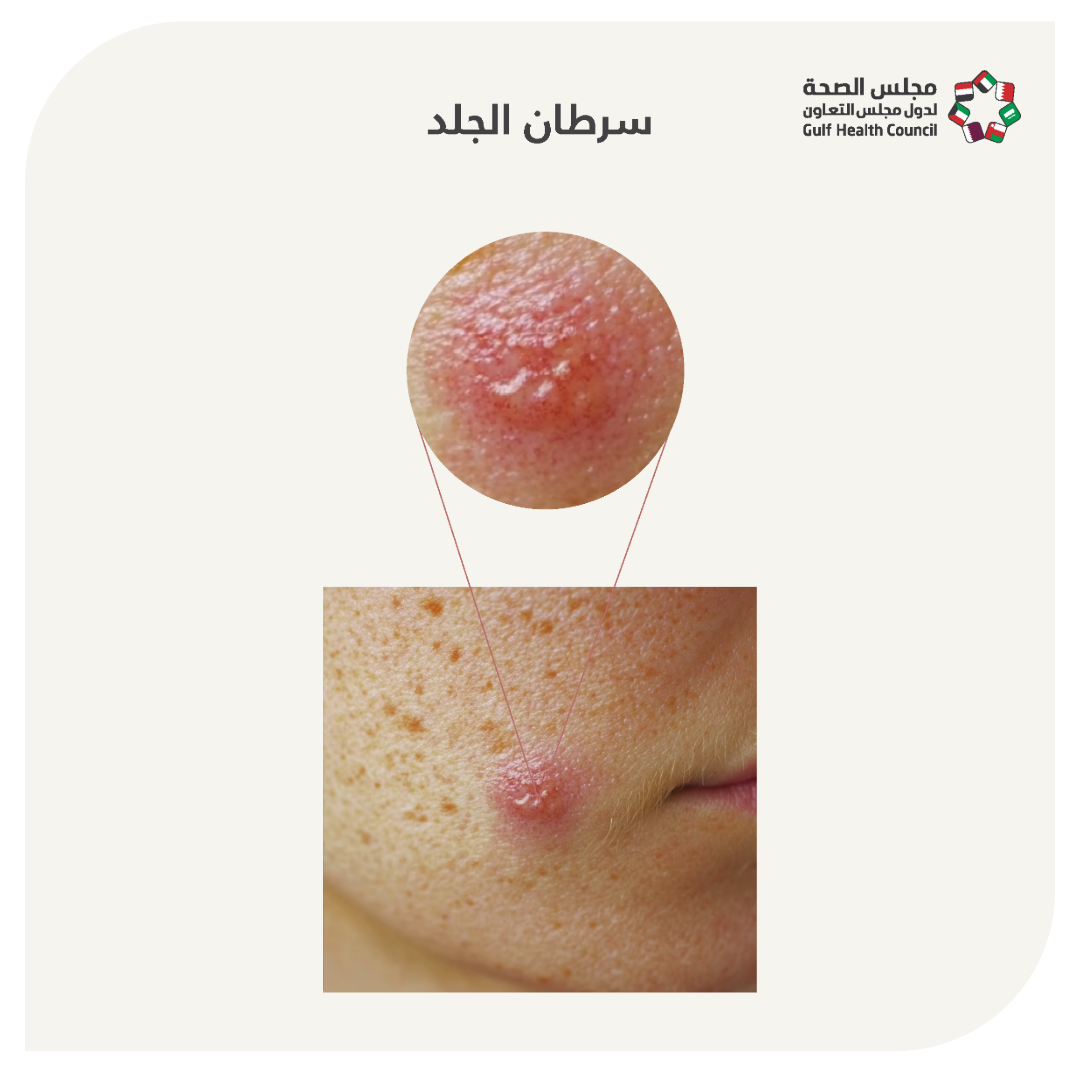
Skin Cancer
On this page, you will find everything you need to know about skin cancer.
What isskin cancer?
The skin is the largest organ of the body and consists of several layers and types of cells. Skin cancer begins in one of these layers or cell types when cell growth becomes uncontrollable. The severity of the disease depends on its size, depth, and extent of spread.
What are the symptomsof skin cancer?
- Changes in the skin are the most common signs of skin cancer. Specifically for melanoma, there is a simple way to remember the warning signs that require medical attention if noticed on a mole or birthmark:
- The mole or spot is asymmetrical, with two parts that look completely different.
- The borders are irregular or rough.
- The color is uneven or dark, with multiple colors, no color, or the color is spreading.
- The diameter of the mole or spot is larger than a pea.
- The mole or spot changes over weeks or months.
- Itchy or bleeding mole.
- Rapidly growing mole.
- A wound that does not heal.
A patch of skin that changes in color or texture.
What causesskin cancer?
- Most cases of skin cancer result from excessive exposure to ultraviolet (UV) rays from the sun, tanning beds, or sun lamps. In men, affected areas often include the head, neck, face, ears, hands, forearms, shoulders, back, and chest. In women, it is most common on the back and lower legs. Skin cancer is more common in the following cases:
- Spending long periods in the sun or experiencing frequent sunburn.
- Having fair skin, hair, and light-colored eyes.
- A family history of the disease.
Individuals over the age of 50.
How is it diagnosed?:
- The doctor will take the patient’s medical history and conduct a clinical examination, and may request additional procedures as needed, such as:
A skin or tumor biopsy may be performed, along with certain types of imaging.
How is skin cancer treated?
- Treatment may involve several procedures, depending on the case, and may include the following:
- Type of skin cancer.
- The location of the tumor.
- The extent of spread.
- Size.
The patient’sgeneral health.
- Most cases can be managed through surgical removal of the affected mole or lesion. Other options include freezing, topical treatments, or laser therapy. If it has spread beyond the skin, treatments may include:
- Radiation Therapy: Uses high-energyrays such as X-raysto kill cancer cells.
- Chemotherapy: Drugs, in tablet form or intravenous injections, that shrink or kill cancer.
- Biological Therapy: Uses substances produced by living organisms. These can be made in the body or the lab, either naturally in the body or synthesized in a lab, to enhance the immune system’s ability to.
Targeted Therapy: Uses drugs designed to target specific weaknesses in cancer cells.
How can skin cancer be prevented?
- The key to preventing skin cancer is avoiding excessive sun exposure and not using sun lamps.
- Avoid the sun: Stay out of directsunlight during peak hours or high temperatures.
- Use sunscreen: Use sunscreen with at least SPF 15. Sunscreen should be applied even on cloudy days. Apply sunscreen 15–30 minutes before sun exposure, and reapply every two hours or after swimming, sweating, or towel drying.
- Wear wide-brimmed hats, protective clothing, and sunglasses.
- Avoid tanning and tanning devices.
Protect children from sunburn.
- What are the complications of skin cancer?
- A mole may develop into an ulcer.
It may spread to other body parts in advanced cases.
When should you see a doctor?
- Consult your doctor if you have any of these symptoms:
- A lump, sore, lesion, or change in skin color that does not heal within four weeks.
- If the sore begins to bleed or itch.
An old mole or birthmark changes shape or color or increases in size over a short period.
Does having arash meanI havea seriousdisease likeskin cancer?
Most causes of rashes are generally not serious, but if there are accompanying symptoms such as fever, ulcers, bruises, and severe itching, you should see a doctor for the necessary tests and treatment plan to determine the causes of the rash.
I’ve had a mole or birthmark for a long time without any changes. Is there a chance it could turn into skin cancer?
