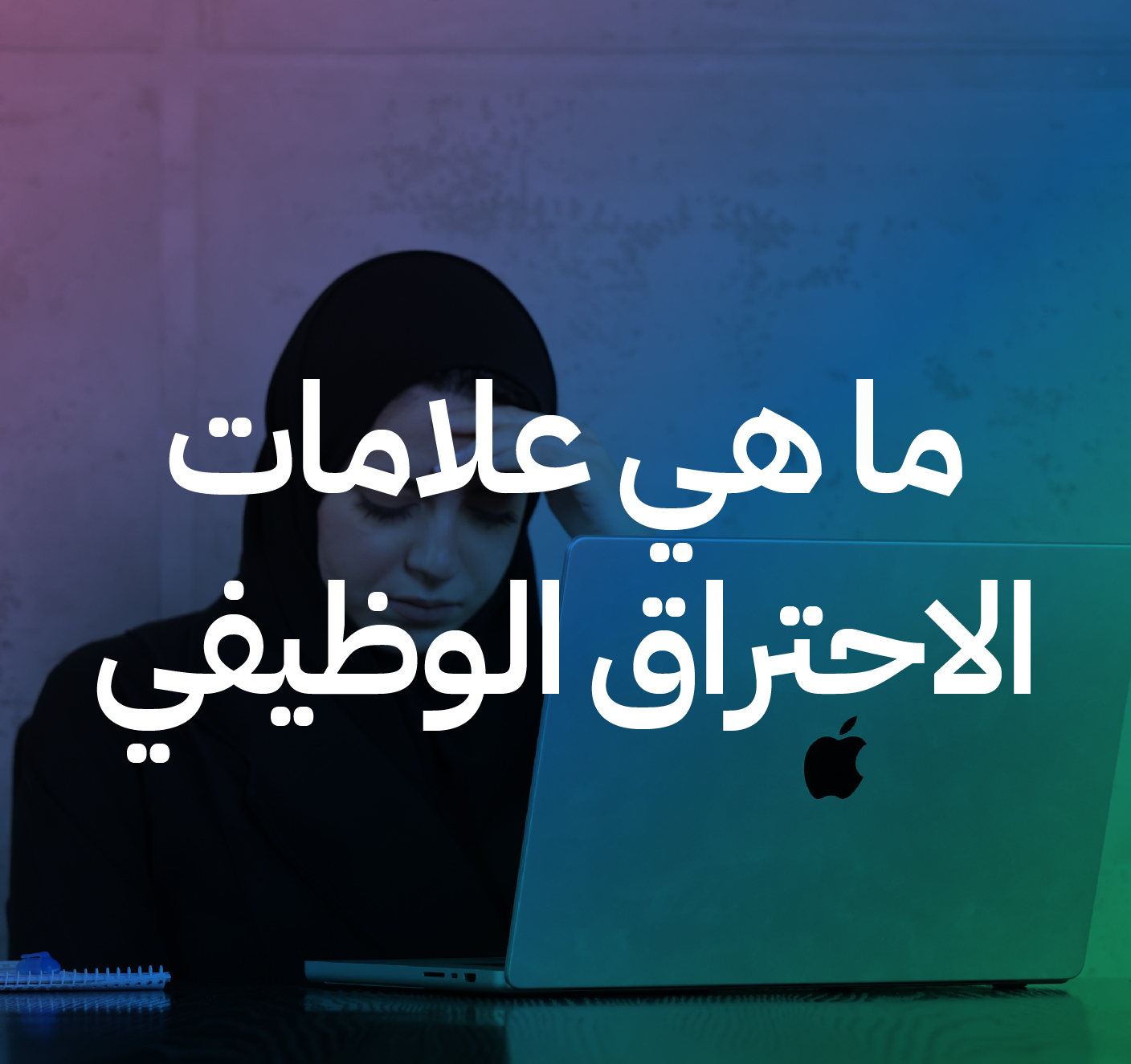
العمل هو جزء أساسي في حياتنا، حيث نقضي معظم وقتنا اليومي في مكاتبنا أو مواقع العمل. وعلى الرغم من أن العمل يوفر لنا الفرص والتحديات، إلا أنه قد يصبح مصدرًا للإجهاد الشديد والاحتراق الوظيفي في بعض الأحيان. يُعرف الاحتراق الوظيفي بأنه حالة من الإرهاق وفقدان الحماس والاهتمام بالعمل، ويمكن أن يؤثر بشكل كبير على الصحة النفسية والعاملين وأدائهم.
علامات الاحتراق الوظيفي
هنا بعض العلامات الرئيسية للإشارة إلى وجود احتراق وظيفي:
1. الإرهاق الشديد:
عندما يصبح الإرهاق اليومي جزءًا من حياتك العملية وتجد نفسك دائمًا تعبانًا دون سبب واضح، فإن ذلك قد يكون إشارة إلى الاحتراق الوظيفي.
2. فقدان الاهتمام:
عندما تبدأ في فقدان الاهتمام بالمهام التي كنت تشعر بها سابقًا بأنها ممتعة أو مهمة، وتجد نفسك غير مهتم بتحقيق الأهداف المهنية، فهذه إشارة أخرى للاحتراق.
3. الانعزال الاجتماعي:
قد تبدأ في تجنب التفاعل مع زملائك في العمل أو الأصدقاء بسبب الإحساس بالإرهاق والضغط النفسي. يمكن أن يؤدي هذا إلى انعزال اجتماعي وتقليل دعم الشبكة الاجتماعية.
4. التحسر والتذمر:
عندما تجد نفسك دائمًا تشتكي من العمل وتتحدث عنه بشكل سلبي، فهذا يمكن أن يكون علامة على الاحتراق. الشعور بالتحسر والتذمر يمكن أن يزيد من مستوى الإجهاد.
5. انخفاض الأداء:
تقليل مستوى الأداء الوظيفي هو علامة أخرى واضحة على الاحتراق. يصبح من الصعب القيام بالمهام بكفاءة وتحقيق الأهداف المحددة.
طرق التكيف مع الاحتراق الوظيفي
إذا كنت تشعر بأنك تعاني من الاحتراق الوظيفي، فإن هناك بعض الخطوات التي يمكنك اتخاذها للتكيف والتغلب على هذه الحالة:
1. التحدث مع مديرك:
قد يكون من المفيد البحث عن دعم من مديرك أو مشرفك. قد يساعدون في تخفيف الضغط أو توجيهك نحو حلول مناسبة.
2. تنظيم الوقت:
حاول تنظيم وقتك بشكل فعال، وتحديد الأولويات، وتجنب التفرغ الزائد. إذا كنت تشعر بأنك مكتظ بالمهام، فاعتبر تفويض بعض المهام إلى زملائك إذا كان ذلك ممكنًا.
3. اعتناء بالصحة البدنية والنفسية:
مارس الرياضة بانتظام وحافظ على نظام غذائي صحي. قد يكون من المفيد أيضًا التفكير في الانضمام إلى جلسات استشارية نفسية للتحدث عن مشاكلك والبحث عن استراتيجيات للتعامل معها.
4. العثور على هوايات واهتمامات خارج العمل:
قم بتخصيص وقت للقيام بأنشطة وهوايات تستمتع بها خارج مجال العمل. هذا سيساعدك في الاسترخاء واستعادة طاقتك.
5. البحث عن فرص جديدة:
إذا استمر الاحتراق ولم تتحسن الأمور رغم جهودك، قد تكون الفرصة مواتية للنظر في تغيير مسار وظيفي أو البحث عن وظيفة جديدة تناسب اهتماماتك ومهاراتك بشكل أفضل.
في النهاية، يجب على الأفراد أن يتعاملوا بعناية مع الاحتراق الوظيفي ويبحثوا عن الدعم اللازم للتكيف معه. إن الصحة النفسية والعمل الإيجابي يلعبان دورًا حاسمًا في الحفاظ على رفاهية الأفراد في مكان العمل، ويمكن للتحسين في هذه الجوانب أن يساهم في تقليل احتمالية الاحتراق الوظيفي وتحسين الجودة الشخصية والمهنية.
في الختام، يجب على الجميع أن يكونوا حذرين تجاه الاحتراق الوظيفي ويعترفوا به كمشكلة مهمة تؤثر على الصحة النفسية والأداء المهني. عندما نشعر بأننا نتجاوز حدودنا ونشعر بالإرهاق وفقدان الحماس، يجب أن نتصرف بحكمة ونلجأ إلى استراتيجيات التكيف المناسبة.
تذكر دائمًا أنك لست وحدك في هذا، وأن هناك دعمًا متاحًا من الزملاء والمشرفين والمختصين في مجال الصحة النفسية. من خلال تنظيم وقتك بشكل أفضل، والعناية بصحتك البدنية والنفسية، والبحث عن توازن بين العمل والحياة الشخصية، يمكنك التغلب على الاحتراق الوظيفي واستعادة الحماس والإنتاجية في حياتك المهنية.
في النهاية، يجب علينا جميعًا تعزيز ثقافة عمل صحية تعترف بأهمية رعاية الصحة النفسية والعمل على توفير بيئة عمل تشجع على الارتياح والتطوير المهني. تحقيق التوازن بين العمل والحياة الشخصية هو الطريقة الأمثل للحفاظ على استدامة ورفاهية حياتنا الوظيفية والشخصية.